Brand Identity Design for Startups: What You Need
A weak brand makes a real business look like a side project, but a rebrand you can't afford is just as risky. This is the budget-staged guide to startup brand identity: what to build for $0, what to skip, and when paying a professional finally pays off.

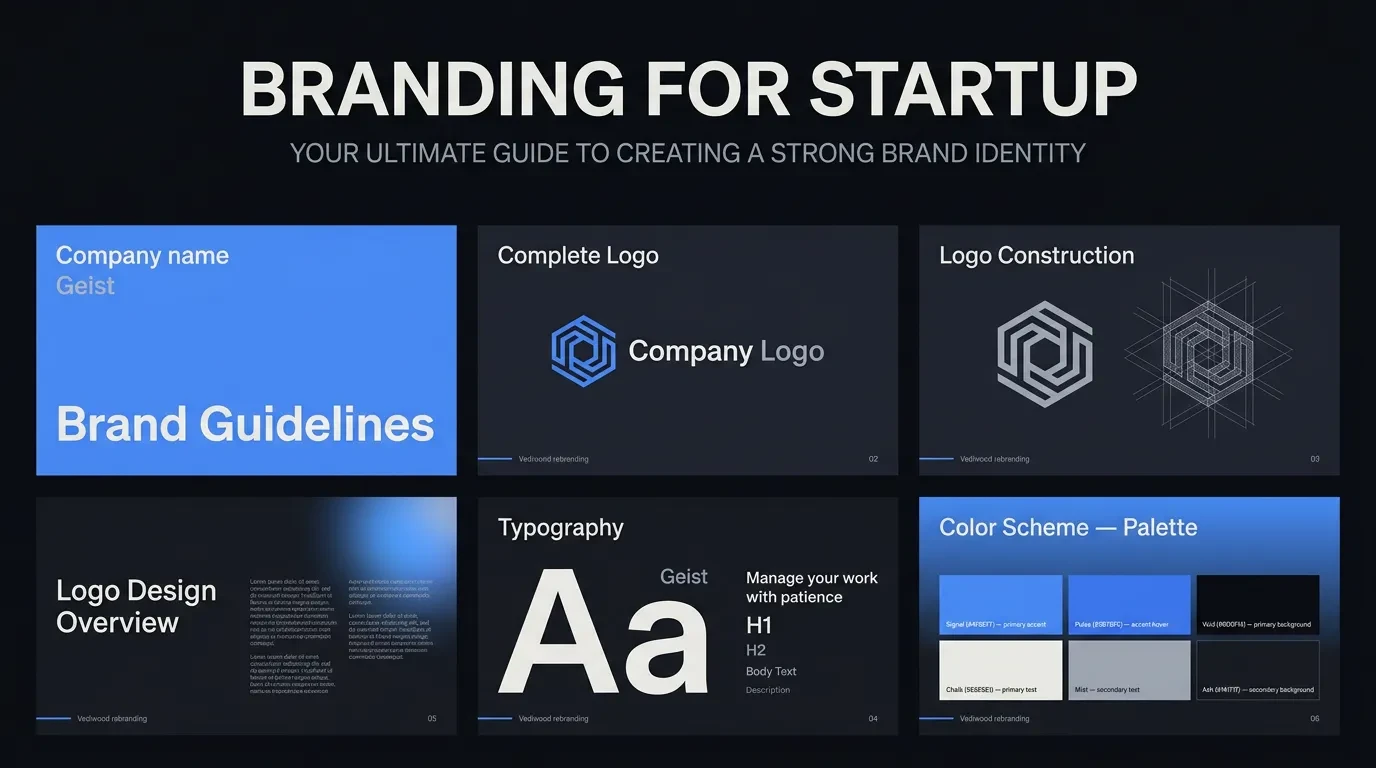
Most founders ask the same two questions when they sit down to build a brand: where do I start, and how much of this do I actually need right now? Here is the honest answer. Brand identity design for startups comes down to five things you can build in a weekend — and a long list of things you should ignore until you have customers. The real trap is not doing too little. It is spending money you do not have on a brand before you know who you are selling to.
What a Startup Brand Identity Actually Needs on Day One
Your brand identity is the system people use to recognise you. On day one, that system needs to be small, consistent, and honest about what you can actually maintain.
Five elements cover everything that matters at the start:
- A wordmark or simple logo
- One or two brand colours
- One or two typefaces
- A clear, written brand voice
- The discipline to apply all four the same way, everywhere
That is your minimum viable brand identity. Everything beyond this list — a mascot, an illustration system, motion graphics, a 60-page brand book — is a "later" problem.
A startup that nails these five basics looks more credible than one that paid for a logo animation but uses three different blues across its site. Consistency reads as competence. Decoration without consistency reads as noise.
Brand Identity vs Brand: The Difference That Saves You Money
Confusing these two is the most expensive mistake early founders make. Your brand is how people feel about you, and you never fully control it. Your brand identity is the visual and verbal system you do control — the logo, colours, type, and voice that make you recognisable.
This distinction is not academic. It decides where your money goes.
You cannot buy a brand. You can only build an identity, then earn the brand through how you treat customers over time. An agency can hand you a beautiful identity in a month, but the brand — the trust, the reputation — comes from the product, not the logo. Spend accordingly.
What Brand Identity Includes for a New Business
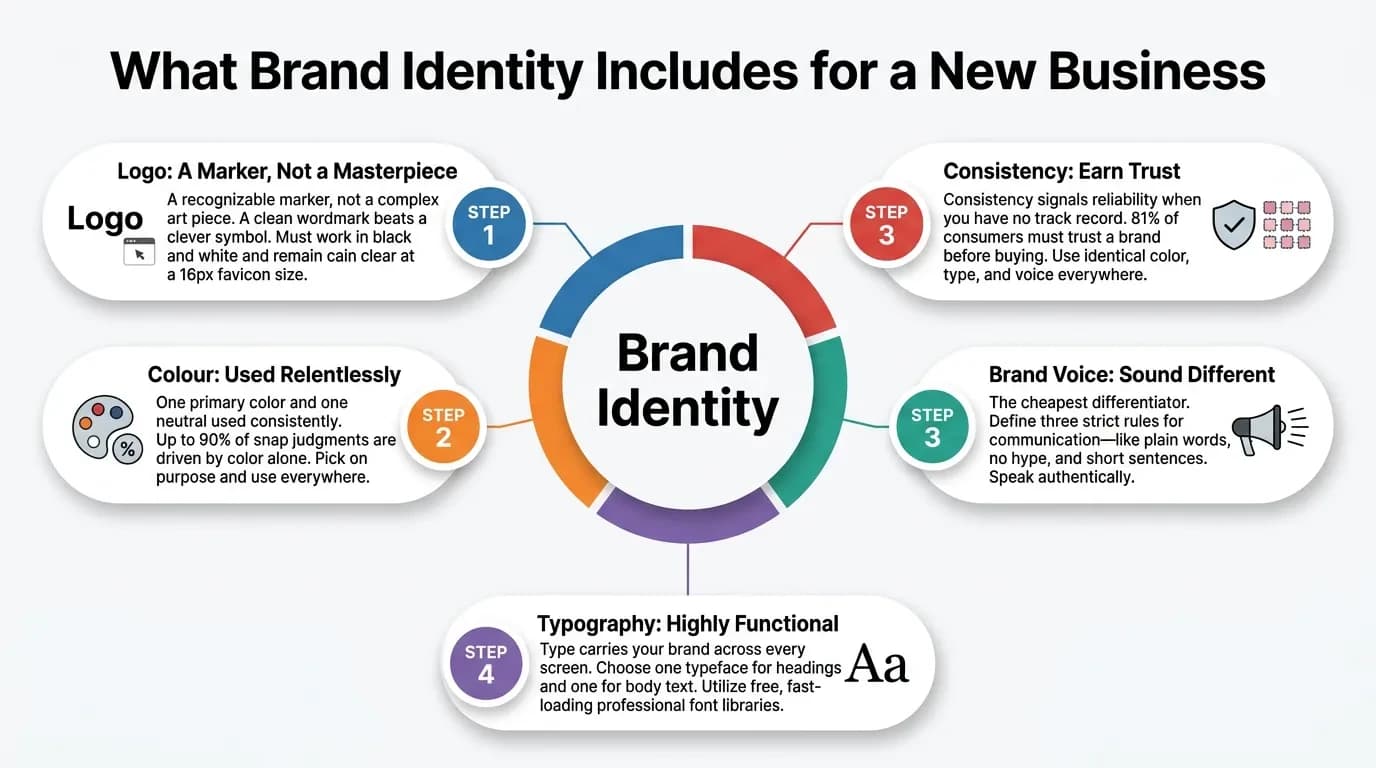
Brand identity for a new business is not one big thing. It is five smaller things that have to agree with each other.
Logo: a marker, not a masterpiece
Your logo is a marker people learn to recognise, not a piece of art that has to explain your whole company. For most startups, a clean wordmark — your name set in a strong typeface — beats a clever symbol nobody recognises yet.
Test it in two places before you commit. It has to work in plain black and white, and it has to stay legible at 16 pixels, the size of a browser favicon.
Colour: one or two, used relentlessly
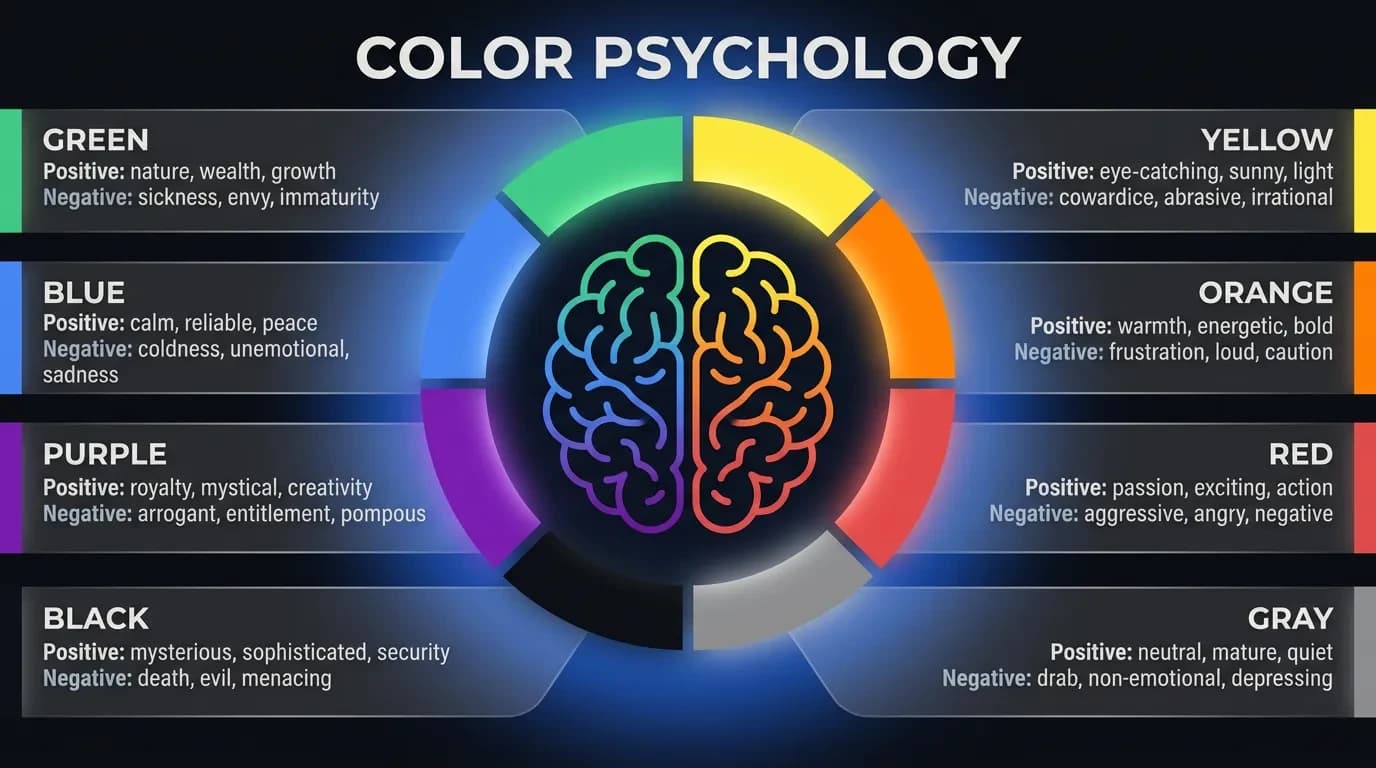
One primary colour and one neutral, used consistently, beat a six-colour rainbow every time. Colour is also the fastest signal you send.
Research published in Management Decision found that people form a first impression of a product within 90 seconds — and up to 90% of that snap judgment is driven by colour alone (Singh, 2006). Pick a colour on purpose, then use it everywhere.
Typography: it carries more than your logo
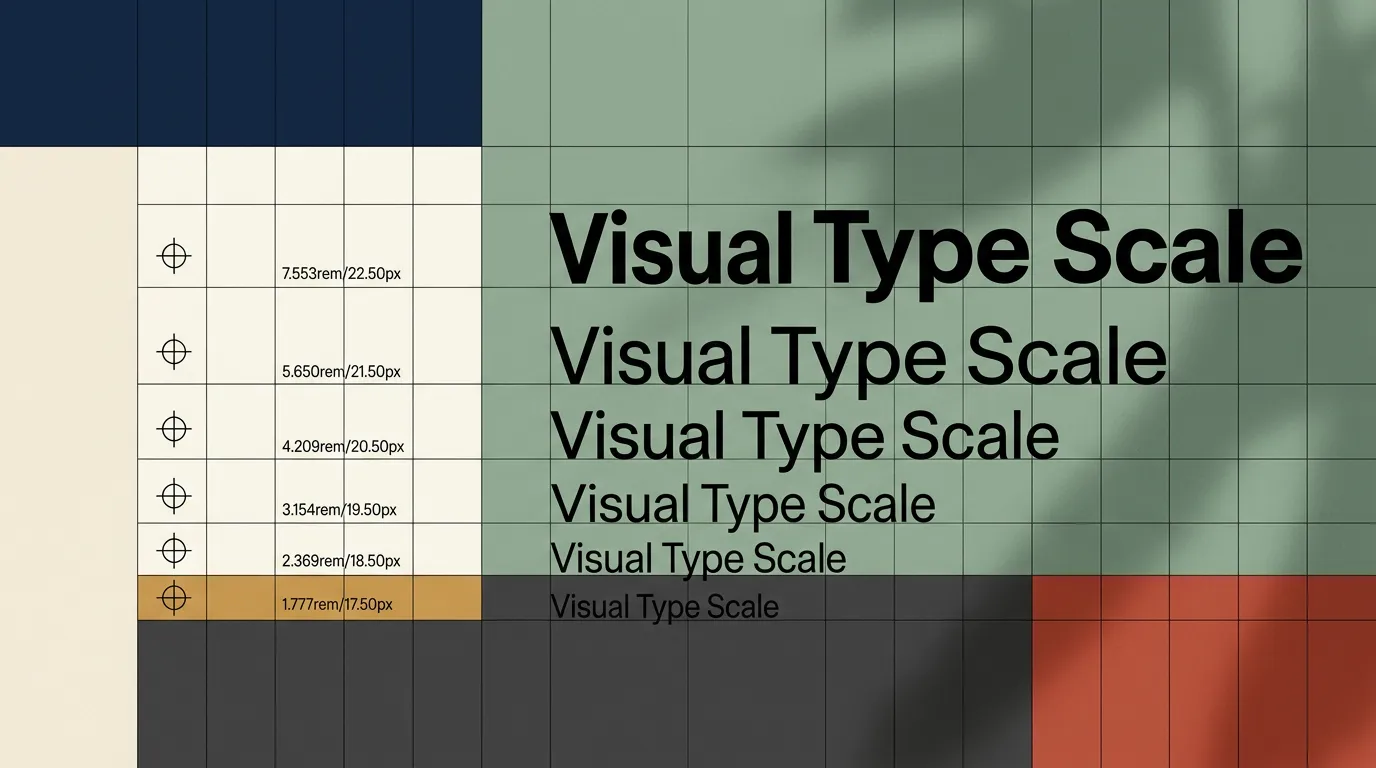
Type does more brand work than your logo, because text is on every screen while your logo appears once. Choose one typeface for headings and one for body, or one good family that does both.
You do not need to pay for this. Google Fonts and Fontshare both offer professional typefaces that cost nothing and load fast.
Brand voice: the cheapest way to sound different
Voice is the cheapest differentiator you have, and at the start it is mostly your own. Write down three rules for how you speak — plain words, no hype, short sentences, whatever fits you — and hold every page to them.
Founders underrate this. Early on, there is no stronger brand asset than the way you personally talk about the problem you are solving.
Consistency: the element that does the work
Consistency is the part that quietly earns trust. In Edelman’s Trust Barometer, 81% of people said they have to trust a brand before they will buy from it (Edelman, 2019).
When you have no track record, consistency is how you signal reliability. The same colour, the same type, the same voice on every touch point tells a stranger you are a real business worth their money.
How to Build a Brand Identity for $0 Before You Hire Anyone
You can build the entire minimum viable identity yourself in a weekend, with free tools and no design degree. Here is the order I use when launching a new brand.
- Lock your name and grab the domain. This is the one decision that is genuinely expensive to reverse, so do it first and check it is not too close to a competitor.
- Choose two typefaces from Google Fonts or Fontshare — one for headings, one for body text.
- Build a small palette in a tool like Coolors or Realtime Colors: one primary, one neutral, one accent. Save the hex codes.
- Set your wordmark in Figma, which is free. Type your name in your chosen heading font, adjust the spacing, and export it.
- Write a one-page brand sheet: your logo, the hex codes, the two fonts, and your three voice rules. That single page is your brand guide for now.
This is a weekend of work, not a quarter of it. At Vediwood we have launched e-commerce brands that started exactly this way and only commissioned custom identity work once the product had real traction. The cheap version is not a compromise — it is the correct first move.
When a Startup Should Actually Pay for Brand Identity Design
Pay for professional brand identity design at the moment the DIY version starts costing you more than the design would. Until then, you are paying to polish something that might change next month.
Four signals tell you that moment has arrived:
- You have repeat customers, and the brand is now an asset worth protecting.
- You are raising money and need to look credible to investors who see a hundred decks a week.
- You are hiring, and other people need a system they can apply without you in the room.
- Your marketing is scaling, and the inconsistency is starting to show across channels.
The budget reality is less scary than agencies make it sound. Founders in communities like r/branding and r/SaaS keep landing on the same rule of thumb: spend close to $0 at the idea stage, around $1,000 to $3,000 for a freelancer's logo and basic guide once you have a product, and studio-level money only once you have customers and revenue to protect.
So invest the moment your brand becomes an asset worth protecting — not a day before. And when you do invest, spend on the decisions that are expensive to reverse, like your name and core colour, while staying cheap on everything that is easy to change.
What You Can Safely Ignore Until You Have Customers
Most of what branding guides obsess over does not matter for a startup with no customers yet. You can ignore all of this without any cost to your credibility:
- A mascot or custom illustration system
- A 40-page brand book with usage rules nobody will read
- A custom or licensed typeface
- Agonising over the perfect tagline
- “Rebrand-proofing” — trying to design the brand you think you will need at Series A
Every hour spent on these before you have customers is an hour stolen from the product. The product is what creates the brand in the first place, so protect that time fiercely.
You will know when these become worth doing, because a real constraint will force the question. Until a constraint appears, the answer is no.
Where to Take Your Brand Identity Next
A startup brand identity has one job at the start: get you to credible, fast, then get out of the way so you can build the business. The five basics do that for almost nothing.
The harder moment comes later, when your brand and website stop helping the business and start holding it back — when the look no longer matches the product, or the site cannot keep up with how you have grown. That is when design earns its cost, and when treating brand and website as one connected system pays off instead of bolting them together. See how Vediwood designs brand and website as one system when you reach that point.
Follow Us
Most founders read us once and change something that week.
Every issue covers one thing that makes your website work harder — better conversion, stronger SEO, or smarter design. No fluff, no agency speak. Just the decision you need to make this week.
Our Team

Sadiki Said
Full Stack Developer

Nezha Essyed
Content Strategist